
Showing 101–129 of 129 results
-

DPD1B 30 Milliliter (ml) LaMotte Pool Test Reagent
SKU: P-6741-G
$11.59 Add to cart -
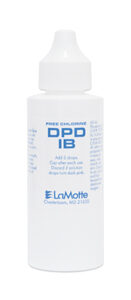
DPD1B 60 Milliliter (ml) LaMotte Pool Test Reagent
SKU: P-6741-H
$17.66 Add to cart -

DPD3 30 Milliliter (ml) LaMotte Pool Test Reagent
SKU: P-6743-G
$14.18 Add to cart -

DPD3 60 Milliliter (ml) LaMotte Pool Test Reagent
SKU: P-6743-H
$20.93 Add to cart -
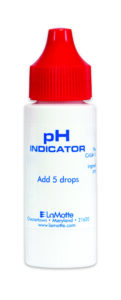
30 Milliliter (ml) Phenol Red Indicator
SKU: P-7026-G
$14.74 Add to cart -

60 Milliliter (ml) Phenol Red Indicator
SKU: P-7026-H
$16.54 Add to cart -

30 Milliliter (ml) Alkalinity Indicator
SKU: P-7028-G
$17.78 Add to cart -

3547
SKU: 3547
Read more -
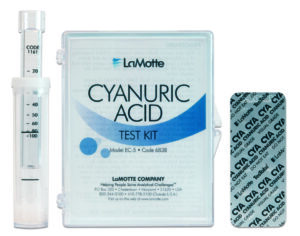
The Cyanuric Acid (Stabilizer) Test Kit (6838)
SKU: 6838
$50.30 Add to cart -

7013L (DL-51)
SKU: 7013L (DL-51)
$112.35 Add to cart -

30 Milliliter (ml) pH ColorQ Reagent
SKU: 7037-G
$14.06 Add to cart -

30 Milliliter (ml) TA ColorQ Reagent
SKU: 7039-G
$16.54 Add to cart -

30 Milliliter (ml) CA2 ColorQ Reagent
SKU: 7041-G
$14.18 Add to cart -

30 Milliliter (ml) CA1 ColorQ Reagent
SKU: 7042-G
$14.29 Add to cart -

LaMotte Alkalinity ColorQ 2X TesTab 3896A-J (100 pk)
SKU: 3896A-J
$42.60 Add to cart -
LaMotte Calcium Hardness ColorQ 2X TesTab 3887A-J (100 pk)
SKU: 3887A-J
$40.50 Add to cart -
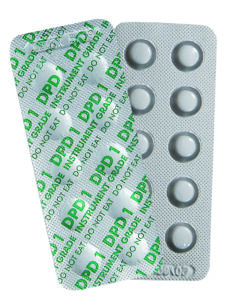
DPD1 ColorQ TesTabs – 100 Pack
SKU: 6903A-J
$34.80 Add to cart -

DPD3 ColorQ TesTabs – 100 Pack
SKU: 6197A-J
$34.80 Add to cart -

CA Hardness ColorQ TesTabs – 100 Pack
SKU: 3883A-J
$33.53 Add to cart -

Alkalinity ColorQ TesTabs – 100 Pack
SKU: 3882A-J
$34.70 Add to cart -

pH ColorQ TesTabs – 100 Pack
SKU: 3880A-J
$25.43 Add to cart -
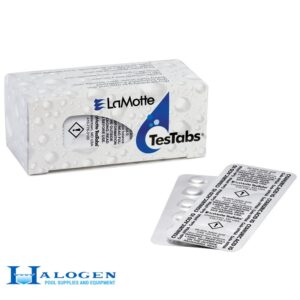
CY ColorQ Test Tabs – 100 Pack (New version 2.0 or Higher)
SKU: 6996A-J
$45.90 Add to cart -
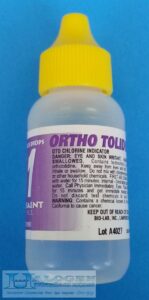
#1 Guardex Ortho Tolidin Reagent
SKU: 26240GDX
Read more -

#2 Guardex Phenol Red Indicator Reagent
SKU: 26242GDX
Read more -

#3 Guardex Acid Demand Titrant Reagent
SKU: 26244GDX
Read more -

#4 Guardex Chlorine Neutralizer Reagent
SKU: 26246GDX
Read more -
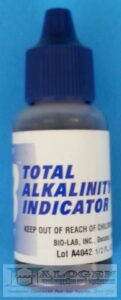
#5B Guardex Total Alkalinity Indicator Reagent
SKU: 26252000
Read more -

Guardex 4-in-1 Test Kit for Residential Pool & Spa Testing
SKU: 26131GDX
Read more -

Guardex DPD 4-in-1 Test Kit for Residential Pool & Spa Testing No Longer Available
SKU: 26133GDX
Read more
FAQs
Water testing ensures proper sanitizer levels, balanced pH, correct alkalinity, and safe calcium hardness. It prevents algae, scaling, and corrosion, and protects swimmers’ health.
Options include liquid reagent kits, dip-and-compare test strips, digital/colorimeter testers, and professional lab test cups. Each measures parameters like pH, free & total chlorine, alkalinity, hardness, and sometimes metals or cyanuric acid.
Test at least twice a week during peak use or hot weather. Spa water should be tested more frequently (daily or every other day) due to warmer temperatures and smaller volume. Always test after heavy rain or heavy use.
Free chlorine (or other sanitizer), pH, total alkalinity, calcium hardness, and stabilizer (cyanuric acid). Additional checks may include phosphates, metals, and total dissolved solids.
Follow the test kit instructions and the manufacturer's guidelines for tips on getting accurate results. Use the recommended ranges: pH 7.2-7.8; free chlorine 1.0-3.0 ppm (for pools); total alkalinity 80-120 ppm; calcium hardness 200-400 ppm (depending on pool finish); stabilizer 30-50 ppm. Adjust chemicals accordingly if values are out of range.