
Showing 101–200 of 374 results
-

6 Inch (in) x 6 Inch (in) Depth Marker 8IN Vinyl StickOn
SKU: 1595-8IN
$11.70 Add to cart -

6 Inch (in) x 6 Inch (in) Depth Marker 8FT Vinyl StickOn
SKU: 1595-8FT
$11.70 Add to cart -

6 Inch (in) x 6 Inch (in) Depth Marker 7IN Vinyl StickOn
SKU: 1595-7IN
$11.70 Add to cart -

6 Inch (in) x 6 Inch (in) Depth Marker 7FT Vinyl StickOn
SKU: 1595-7FT
$11.70 Add to cart -

6 Inch (in) x 6 Inch (in) Depth Marker 6IN Vinyl StickOn
SKU: 1595-6IN
$11.70 Add to cart -

6 Inch (in) x 6 Inch (in) Depth Marker 6FT Vinyl StickOn
SKU: 1595-6FT
$11.70 Add to cart -

6 Inch (in) x 6 Inch (in) Depth Marker 61/2FT Vinyl StickOn
SKU: 1595-61/2FT
$11.70 Add to cart -

6 Inch (in) x 6 Inch (in) Depth Marker #6 Vinyl StickOn
SKU: 1595-6
$11.70 Add to cart -

6 Inch (in) x 6 Inch (in) Depth Marker 5M Vinyl StickOn
SKU: 1595-5M
$11.70 Add to cart -

6 Inch (in) x 6 Inch (in) Depth Marker 5IN Vinyl StickOn
SKU: 1595-5IN
$11.70 Add to cart -

8 Inch (in) x 8 Inch (in) Depth Marker 5FT Vinyl StickOn
SKU: 1595-5FT-8X8
$20.25 Add to cart -

6 Inch (in) x 6 Inch (in) Depth Marker 5FT Vinyl StickOn
SKU: 1595-5FT
$11.70 Add to cart -

6 Inch (in) x 6 Inch (in) Depth Marker 5-1/2FT Vinyl StickOn
SKU: 1595-51/2FT
$11.70 Add to cart -

6 Inch (in) X 6 Inch (in) Depth Marker #5 Vinyl StickOn
SKU: 1595-5
$11.70 Add to cart -

6 Inch (in) x 6 Inch (in) Depth Marker 4M Vinyl StickOn
SKU: 1595-4M
$11.70 Add to cart -

6 Inch (in) x 6 Inch (in) Depth Marker 4IN Vinyl StickOn
SKU: 1595-4IN
$11.70 Add to cart -

6 Inch (in) x 6 Inch (in) Depth Marker 4FT Vinyl StickOn
SKU: 1595-4FT
$11.70 Add to cart -

6 Inch (in) x 6 Inch (in) Depth Marker 4-1/2FT Vinyl StickOn
SKU: 1595-41/2FT
$11.70 Add to cart -

6 Inch (in) x 6 Inch (in) Depth Marker #4 Vinyl StickOn
SKU: 1595-4
$11.70 Add to cart -

6 Inch (in) x 6 Inch (in) Depth Marker 3M Vinyl StickOn
SKU: 1595-3M
$11.70 Add to cart -

6 Inch (in) x 6 Inch (in) Depth Marker 3IN Vinyl StickOn
SKU: 1595-3IN
$11.70 Add to cart -

6 Inch (in) x 6 Inch (in) Depth Marker 3FT Vinyl StickOn
SKU: 1595-3FT
$11.70 Add to cart -
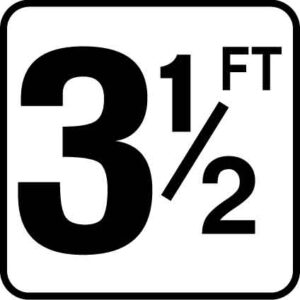
6 Inch (in) x 6 Inch (in) Depth Marker 31/2FT Vinyl StickOn
SKU: 1595-31/2FT
$11.70 Add to cart -

6 Inch (in) x 6 Inch (in) Depth Marker #3 Vinyl StickOn
SKU: 1595-3
$11.70 Add to cart -

6 Inch (in) x 6 Inch (in) Depth Marker 2M Vinyl StickOn
SKU: 1595-2M
$11.70 Add to cart -

6 Inch (in) x 6 Inch (in) Depth Marker 2IN Vinyl StickOn
SKU: 1595-2IN
$11.70 Add to cart -

6 Inch (in) x 6 Inch (in) Depth Marker 2FT Vinyl StickOn
SKU: 1595-2FT
$11.70 Add to cart -

6 Inch (in) x 6 Inch (in) Depth Marker 21/2FT Vinyl STCK
SKU: 1595-21/2FT
$11.70 Add to cart -

6 Inch (in) x 6 Inch (in) Depth Marker 2.7M Vinyl StickOn
SKU: 1595-2.7M
$11.70 Add to cart -

6 Inch (in) x 6 Inch (in) Depth Marker 2.4M Vinyl StickOn
SKU: 1595-2.4M
$11.70 Add to cart -

6 Inch (in) x 6 Inch (in) Depth Marker 2.1M Vinyl StickOn
SKU: 1595-2.1M
$11.70 Add to cart -

6 Inch (in) x 6 Inch (in) Depth Marker #2 Vinyl StickOn
SKU: 1595-2
$11.70 Add to cart -

6 Inch (in) x 6 Inch (in) Depth Marker 1M Vinyl STCKON
SKU: 1595-1M
$11.70 Add to cart -

6 Inch (in) x 6 Inch (in) Depth Marker 1IN Vinyl StickOn
SKU: 1595-1IN
$11.70 Add to cart -

6 Inch (in) x 6 Inch (in) Depth Marker 1FT Vinyl StickOn
SKU: 1595-1FT
$11.70 Add to cart -

6 Inch (in) x 6 Inch (in) Vinyl StickOn – SKID RESIST.
SKU: 1595-13FT
$11.70 Add to cart -

6 Inch (in) x 6 Inch (in) Depth Marker 12FT Vinyl StickOn
SKU: 1595-12FT
$11.70 Add to cart -

6 Inch (in) x 6 Inch (in) Depth Marker 11IN Vinyl StickOn
SKU: 1595-11IN
$11.70 Add to cart -

6 Inch (in) x 6 Inch (in) Depth Marker 11FT Vinyl StickOn
SKU: 1595-11FT
$11.70 Add to cart -

6 Inch (in) x 6 Inch (in) Depth Marker 11/2FT Vinyl StickOn
SKU: 1595-11/2FT
$11.70 Add to cart -

6 Inch (in) x 6 Inch (in) Depth Marker 10IN Vinyl StickOn
SKU: 1595-10IN
$11.70 Add to cart -

6 Inch (in) x 6 Inch (in) Depth Marker 10FT Vinyl StickOn
SKU: 1595-10FT
$11.70 Add to cart -

6 Inch (in) x 6 Inch (in) Depth Marker #10 Vinyl StickOn
SKU: 1595-10
$11.70 Add to cart -

6 Inch (in) x 6 Inch (in) Depth Marker 1/2FT Vinyl StickOn
SKU: 1595-1/2FT
$11.70 Add to cart -

6 Inch (in) x 6 Inch (in) Depth Marker 1.8M Vinyl StickOn
SKU: 1595-1.8M
$11.70 Add to cart -

6 Inch (in) x 6 Inch (in) Depth Marker 1.7M Vinyl StickOn
SKU: 1595-1.7M
$11.70 Add to cart -

6 Inch (in) x 6 Inch (in) Depth Marker 1.5M Vinyl StickOn
SKU: 1595-1.5M
$11.70 Add to cart -

6 Inch (in) x 6 Inch (in) Vinyl StickOn 1.4M
SKU: 1595-1.4M
$11.70 Add to cart -

6 Inch (in) x 6 Inch (in) Depth Marker 1.3M Vinyl StickOn
SKU: 1595-1.3M
$11.70 Add to cart -

6 Inch (in) x 6 Inch (in) Depth Marker 1.2M Vinyl StickOn
SKU: 1595-1.2M
$11.70 Add to cart -

6 Inch (in) X 6 Inch (in) Depth Marker 1.1M Vinyl StickOn
SKU: 1595-1.1M
$11.70 Add to cart -

6 Inch (in) x 6 Inch (in) Depth Marker 1. Vinyl StickOn
SKU: 1595-1.
$11.70 Add to cart -

6 Inch (in) x 6 Inch (in) Depth Marker #1 Vinyl StickOn
SKU: 1595-1
$11.70 Add to cart -

6 Inch (in) x 6 Inch (in) Depth Marker 0M Vinyl StickOn
SKU: 1595-0M
$11.70 Add to cart -

6 Inch (in) x 6 Inch (in) Depth Marker 0IN Vinyl StickOn
SKU: 1595-0IN
$11.70 Add to cart -

6 Inch (in) x 6 Inch (in) Depth Marker 0FT Vinyl StickOn
SKU: 1595-0FT
$11.70 Add to cart -

6 Inch (in) x 6 Inch (in) Depth Marker 0. Vinyl StickOn
SKU: 1595-0.
$11.70 Add to cart -

6 Inch (in) x 6 Inch (in) Depth Marker NO RUNNING Symbol
SKU: 1592W-NRS
$10.46 Add to cart -

6 Inch (in) x 6 Inch (in) Depth Marker NO DIVING Symbol
SKU: 1592W-NDS
$10.46 Add to cart -

6 Inch (in) x 6 Inch (in) Depth Marker IN Ceramic Smooth
SKU: 1592W-IN
$8.33 Add to cart -

6 Inch (in) x 6 Inch (in) Depth Marker FT DEEP Ceramic Smooth
SKU: 1592W-FTDP
$7.99 Add to cart -

6 Inch (in) x 6 Inch (in) Depth Marker – FT Ceramic Smooth
SKU: 1592W-FT
$8.33 Add to cart -

6 Inch (in) x 6 Inch (in) Depth Marker 9M Ceramic Smooth
SKU: 1592W-9M
$8.33 Add to cart -

6 Inch (in) x 6 Inch (in) Depth Marker 9IN Ceramic Smooth
SKU: 1592W-9IN
$8.33 Add to cart -

6 Inch (in) x 6 Inch (in) Depth Marker 9FT Ceramic Smooth
SKU: 1592W-9FT
$8.33 Add to cart -

6 Inch (in) x 6 Inch (in) Depth Marker 8M Ceramic Smooth
SKU: 1592W-8M
$8.33 Add to cart -

6 Inch (in) x 6 Inch (in) Depth Marker 8IN Ceramic Smooth
SKU: 1592W-8IN
$8.33 Add to cart -

6 Inch (in) x 6 Inch (in) Depth Marker 8FT Ceramic Smooth
SKU: 1592W-8FT
$8.33 Add to cart -

6 Inch (in) x 6 Inch (in) Depth Marker 8-1/2 FT Ceramic Smooth
SKU: 1592W-81/2FT
$8.33 Add to cart -

6 Inch (in) x 6 Inch (in) Depth Marker #8 Ceramic Smooth
SKU: 1592W-8
$8.33 Add to cart -

6 Inch (in) x 6 Inch (in) Depth Marker 7FT Ceramic Smooth
SKU: 1592W-7FT
$8.33 Add to cart -

6 Inch (in) x 6 Inch (in) Depth Marker 6IN Ceramic Smooth
SKU: 1592W-6IN
$8.33 Add to cart -

6 Inch (in) x 6 Inch (in) Depth Marker 6FT Ceramic Smooth
SKU: 1592W-6FT
$8.33 Add to cart -

6 Inch (in) x 6 Inch (in) Depth Marker 5M Ceramic Smooth
SKU: 1592W-5M
$8.33 Add to cart -

6 Inch (in) x 6 Inch (in) Depth Marker 5FT Ceramic Smooth
SKU: 1592W-5FT
$8.33 Add to cart -

6 Inch (in) x 6 Inch (in) Depth Marker 5-1/2FT Ceramic Smooth
SKU: 1592W-5-1/2FT
$8.33 Add to cart -

6 Inch (in) x 6 Inch (in) Depth Marker 5 Ceramic Smooth
SKU: 1592W-5
$8.33 Add to cart -

6 Inch (in) x 6 Inch (in) Depth Marker 4M Ceramic Smooth
SKU: 1592W-4M
$8.33 Add to cart -

6 Inch (in) x 6 Inch (in) Depth Marker 4FT Ceramic Smooth
SKU: 1592W-4FT
$8.33 Add to cart -

6 Inch (in) x 6 Inch (in) Depth Marker 41/2FT Ceramic SM
SKU: 1592W-4-1/2FT
$8.33 Add to cart -

6 Inch (in) x 6 Inch (in) Depth Marker #4 Ceramic Smooth
SKU: 1592W-4
$8.33 Add to cart -

6 Inch (in) x 6 Inch (in) Depth Marker 3IN Ceramic Smooth
SKU: 1592W-3IN
$8.33 Add to cart -

6 Inch (in) x 6 Inch (in) Depth Marker 3FT Ceramic Smooth
SKU: 1592W-3FT
$8.33 Add to cart -

6 Inch (in) x 6 Inch (in) Depth Marker 3-1/2FT Ceramic Smooth
SKU: 1592W-3-1/2FT
$8.33 Add to cart -

6 Inch (in) x 6 Inch (in) Depth Marker 3 Ceramic Smooth
SKU: 1592W-3
$8.33 Add to cart -

6 Inch (in) x 6 Inch (in) Depth Marker 2M Ceramic Smooth
SKU: 1592W-2M
Read more -

6 Inch (in) x 6 Inch (in) Depth Marker 2FT Ceramic Smooth
SKU: 1592W-2FT
$8.33 Add to cart -

6 Inch (in) x 6 Inch (in) Depth Marker 2.7M Ceramic Smooth
SKU: 1592W-2.7M
Read more -

6 Inch (in) x 6 Inch (in) Depth Marker 2.4M Ceramic Smooth
SKU: 1592W-2.4M
$8.33 Add to cart -

6 Inch (in) x 6 Inch (in) Depth Marker 2. Ceramic Smooth
SKU: 1592W-2.
Read more -

6 Inch (in) x 6 Inch (in) Depth Marker 1M Ceramic Smooth
SKU: 1592W-1M
$8.33 Add to cart -

6 Inch (in) x 6 Inch (in) Depth Marker 1FT Ceramic Smooth
SKU: 1592W-1FT
$8.33 Add to cart -

6 Inch (in) x 6 Inch (in) Depth Marker 13FT Ceramic Smooth
SKU: 1592W-13FT
$8.33 Add to cart -

6 Inch (in) x 6 Inch (in) Depth Marker 1-1/2FT Ceramic Smooth
SKU: 1592W-1-1/2 FT
$8.33 Add to cart -

6 Inch (in) x 6 Inch (in) Depth Marker 10FT Ceramic Smooth
SKU: 1592W-10FT
$8.33 Add to cart -

6 Inch (in) x 6 Inch (in) Depth Marker #10 Ceramic Smooth
SKU: 1592W-10
$7.99 Add to cart -

6 Inch (in) x 6 Inch (in) Depth Marker 1/2FT Ceramic Smooth
SKU: 1592W-1/2FT
$7.99 Add to cart -

6 Inch (in) x 6 Inch (in) Depth Marker 1.8M Ceramic Smooth
SKU: 1592W-1.8M
$8.33 Add to cart -

6 Inch (in) x 6 Inch (in) Depth Marker 1.5M Ceramic Smooth
SKU: 1592W-1.5M
$8.33 Add to cart -

6 Inch (in) x 6 Inch (in) Depth Marker 1.2M Ceramic Smooth
SKU: 1592W-1.2M
$8.33 Add to cart
FAQs
Resurfacing is needed when the pool surface is rough, pitted, stained, or cracked; when water loss occurs due to porous plaster; or when the surface color or finish is severely faded.
Common options include plaster, pebble aggregate finishes, quartz-based coatings, paint, tile or glass tile veneers, aggregate overlays, and, in some cases, fiberglass lining.
Depending on materials and maintenance, plaster and aggregate finishes typically last 7-15 years; high-quality quartz or tile surfaces may last 20 years or more. Painted pool surfaces can last 1-8 years, depending on the initial application process, the chemicals used, and environmental factors.
Drain the pool, clean the substrate thoroughly, repair cracks and structural damage, ensure all plumbing fittings are flush, and allow the surface to dry completely before applying the new finish. Always refer to the manufacturer's specifications and requirements for all resurfacing products, especially paint.
Avoid shocking chemicals for a period recommended by the resurfacer, maintain proper water chemistry (pH, alkalinity, calcium hardness), prevent stains by cleaning surfaces regularly, and avoid sharp or abrasive objects against the new finish. Ensure compatibility with maintenance equipment, such as brushes and vacuums, to avoid prematurely wearing down the finished surface.