9 Maintenance Repairs to Make Before Reopening Your Pool Next Season
Once temperatures drop and the summer swimming season ends, pool owners should start thinking about any upkeep that’s been put off. Swimming pool repairs and maintenance during autumn should also involve winterizing the pool, which often corresponds with the area’s climate. It’s not work done in vain, as it prepares for the next swimming season and means less work next year when opening the pool. Repairs and maintenance during the off-season will prevent more expenses later.
Even in winter, pool repairs and maintenance matter. Though swimming is unlikely in subfreezing temperatures, specific tasks must be done to ensure pool equipment remains usable next spring. This includes filters, heaters, pumps, and other parts of a pool’s systems that depend on regular inspections and maintenance to keep them in good condition. The upside is that these chores tend not to be too labor intensive, though performing them will guarantee less work when opening the pool in spring.
9 Pool Repairs and Maintenance for the Off-Season
While specific pool repairs and maintenance may not be covered here, performing these nine pool maintenance tasks will help keep costs down when the pool reopens in spring.
1. Filters
Any approach to filters needs to consider the last closing of the pool. Repairs and maintenance that kept them properly chlorinated, running, and otherwise looked after in the previous off-season will mean less work over the winter and spring. Ensuring the pumps are operational at the start of the next swim season is essential. Also, any gunk developed on the filter should be cleaned off, and a thorough backwash should be performed. If necessary, plans should be made to replace the pool filter.
2. Pool Covers
If a pool cover is too worn to repair or not currently being used, now’s a good time to purchase one. Investing in a quality pool cover that completely covers the pool will keep falling autumn leaves, other debris, and animals out of the swimming pool. Repairs and maintenance of any fastening devices for the cover should also take place at this point to prevent them from blowing off the pool’s surface during a winter storm.
In colder climates, it’s necessary to maintain the pool’s water level while regularly clearing any water that accumulates on the cover. This can be accomplished with a leaf rake or cover pump, preventing more pool repairs and maintenance next spring.
3. Pumps
Pumps are a crucial part of any swimming pool’s filtration system. Repairs and maintenance are necessary to keep water circulating correctly, ensuring the water remains sanitary and safe to use. While pumps shouldn’t run during the winter, particularly in places with typical freezing temperatures, it’s a good idea to inspect them professionally before reopening the pool next season.
4. Decks
This is the time to inspect a pool’s deck for chips, splintering, or other minor pool repairs. Maintenance of the deck is essential, as uneven decking can lead to tripping hazards. This is best done off-season when people aren’t gathered around the pool area. Sectioning off an area of the deck during the season is much more of a hassle when the pool is in operation.
5. Clean the Pool & Equipment
Before properly winterizing a pool, a thorough cleaning is a must. Any leaves, floating residue, or other debris should be removed with a leaf rake or pool skimmer. A pool vacuum will help remove dirt and prevent algae from forming on the pool’s floor and sides. The vacuum should be in good repair, so this is an excellent time to replace worn-out parts. Cleaning at the end of the swimming season makes pool maintenance during the colder months much more manageable and makes for less work in spring.
Other essential items to clean before closing the pool for winter include:
- Filtration system
- Pump
- Skimmer baskets
- Other containers that gather debris
If not kept sufficiently clean, these systems will become inefficient. Debris can even damage equipment, requiring otherwise unnecessary pool repair and maintenance. According to the manufacturer’s recommendations, the filtration system should be thoroughly backwashed to keep it in good condition. Once cleaned, the pump should be disconnected, drained, and stored where it won’t freeze.
6. Balance Water Chemistry
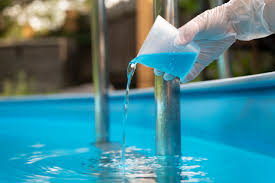
Whether anyone’s swimming in a pool or not, the water should always remain balanced to prevent it from becoming unhealthy during the offseason. Shocking the pool once more before freezing temperatures arrive will also help ensure algae, bacteria, and other microorganisms won’t contaminate the pool. Maintenance should include testing pH, calcium hardness, and alkalinity to ensure they fall within an acceptable range.
Even during winter, maintaining water quality in the pool is essential. Repairs and maintenance can be kept to a minimum, or even prevented, by adding winter chemicals. Winter algaecides kill and prevent algae from growing in the pool on warmer winter days. Other chemical formulations can prevent staining caused by low pH. Adding chlorine before closing will also help ensure that water quality remains acceptable even with no one swimming.
7. Winterize the Pool & Plumbing
Depending on the climate, winterizing the plumbing before freezing temperatures hit can prevent thousands of dollars in damage. This involves blowing out the lines, for which a pool owner can call a professional or use a winterizing blower properly. This involves plugging the skimmers and returning lines with winterizing plugs after draining the pump and filtration equipment.
Blowing out the water lines generally involves:
- Draining water from the pump, heater, and filter.
- Pool antifreeze should be introduced into the pool’s plumbing to prevent cracking and freezing.
- Emptying any excess water from pool accessories that might be damaged due to freezing temperatures.
Part of this process involves lowering the pool’s water level. Since repairs and maintenance can be mitigated by keeping water away from the pool’s plumbing system, this level must be under the return lines and pool skimmer.
8. Remove and Store Pool Accessories
Portable or detachable pool accessories like diving boards, ladders, pool toys, and skimmer baskets should be safely stowed away to await the pool’s opening in spring. These should be stored in an area that remains cool yet dry but above freezing temperatures. This will keep them from being damaged during the winter. However, these accessories must be cleaned appropriately and drained before being put into storage.
9. Monitor the Pool
Although pools are dormant during winter, keeping an eye on the pool is still essential. Repairs and maintenance in spring will be minimized through regular inspections. For example, checking the pool cover to ensure it remains undamaged will prevent unforeseen consequences from detritus to contamination within the water.
Contact Our Knowledgeable Team at Halogen
To keep pool repairs and maintenance to a minimum for next year’s swimming season, it’s vital to close your swimming pool properly for winter. Our team at the Halogen Supply Company has the knowledge and experience necessary to ensure there are no issues when you’re ready to reopen your pool next spring. To learn more about what we have to help with pool repairs and maintenance over winter and for next season, contact the swimming pool experts at Halogen Supply.